
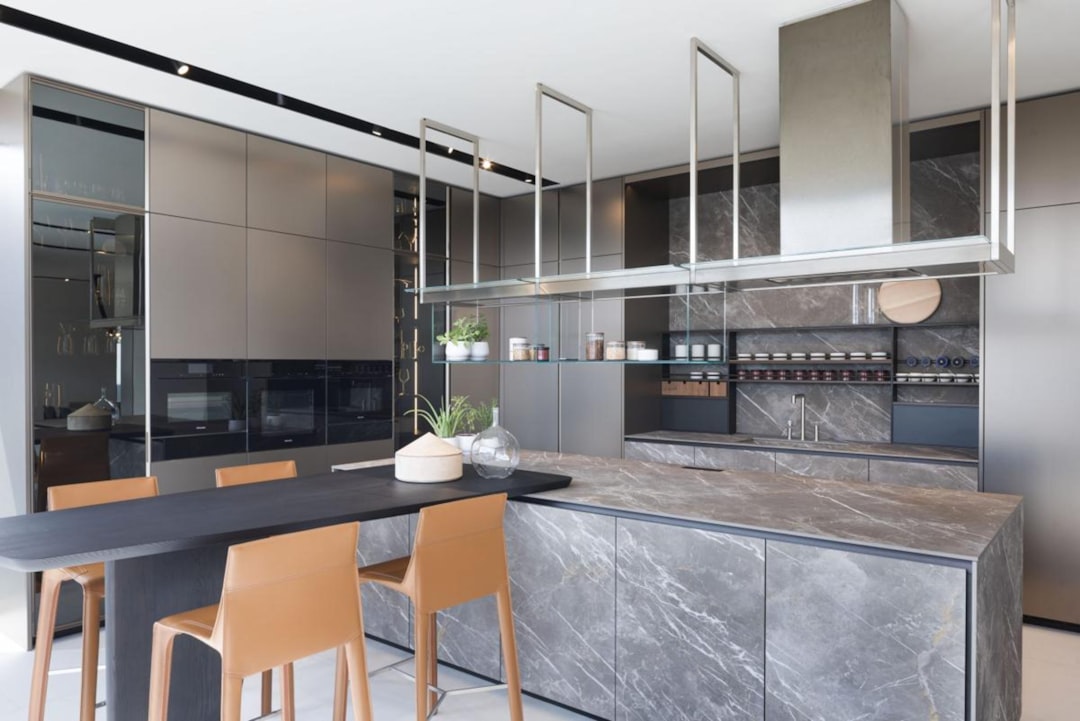
In today’s world, where climate change and environmental degradation are pressing issues, making conscious choices in our daily lives has never been more critical. One area where we can significantly impact our carbon footprint is in the kitchen. Kitchen appliances, often overlooked, play a pivotal role in our energy consumption and overall sustainability. By opting for eco-friendly kitchen appliances, we can not only reduce our energy usage but also promote ethical sourcing and support companies that prioritize the planet.
When considering kitchen appliances, the first step is to look for those that carry the Energy Star certification. This label is not just a marketing gimmick; it represents a commitment to energy efficiency and environmental responsibility. Appliances that meet Energy Star standards use less energy than their non-certified counterparts, which translates to lower utility bills and a reduced carbon footprint. For instance, an Energy Star-rated refrigerator can save you hundreds of dollars over its lifetime while conserving energy equivalent to the electricity used by an average household for an entire month. This certification fosters buyer trust, as it assures consumers that they are making a responsible choice that aligns with their values.
Beyond energy efficiency, the materials and sourcing of kitchen appliances are crucial factors to consider. Many traditional appliances are made from non-recyclable plastics and metals that contribute to landfill waste. In contrast, eco-friendly appliances often utilize sustainable materials, such as recycled metals and biodegradable plastics. Brands that prioritize ethical sourcing ensure that their materials are obtained responsibly, often supporting fair labor practices and reducing environmental harm in the extraction process. By choosing these brands, consumers can feel confident that their purchases are contributing to a more sustainable economy.
Budget-conscious consumers might worry that eco-friendly appliances come with a hefty price tag. However, the initial investment can often be offset by long-term savings. Energy-efficient appliances typically consume less power, leading to lower electricity bills. Additionally, many manufacturers offer rebates and incentives for purchasing Energy Star-rated products, making them more accessible to a broader audience. Investing in quality, sustainable appliances can also mean fewer replacements over time, as they are often built to last longer than their conventional counterparts.
DIY enthusiasts can also play a role in promoting sustainability in the kitchen. Upcycling old appliances into new, functional pieces can be a creative and eco-friendly project. For example, an old refrigerator can be transformed into a stylish outdoor storage unit, while a broken blender can be repurposed into a planter. These projects not only reduce waste but also allow individuals to express their creativity and personal style.
As we look toward the future, trends in kitchen appliances are increasingly leaning towards smart technology and sustainability. Smart appliances can optimize energy usage by adjusting their operation based on your habits and preferences. For instance, a smart oven can preheat itself during off-peak energy hours, further reducing your energy consumption. This integration of technology and sustainability is a promising direction for the kitchen appliance industry, as it empowers consumers to make informed choices that benefit both their wallets and the environment.
In conclusion, the choices we make regarding kitchen appliances can have a profound impact on our environment. By prioritizing energy efficiency, ethical sourcing, and innovative designs, we can create a kitchen that not only meets our culinary needs but also aligns with our values as sustainability advocates. The next time you’re in the market for a new appliance, consider the long-term benefits of investing in eco-friendly options. Not only will you be contributing to a healthier planet, but you’ll also be setting a positive example for others to follow. Together, we can transform our kitchens into spaces that reflect our commitment to sustainability and ethical living.