
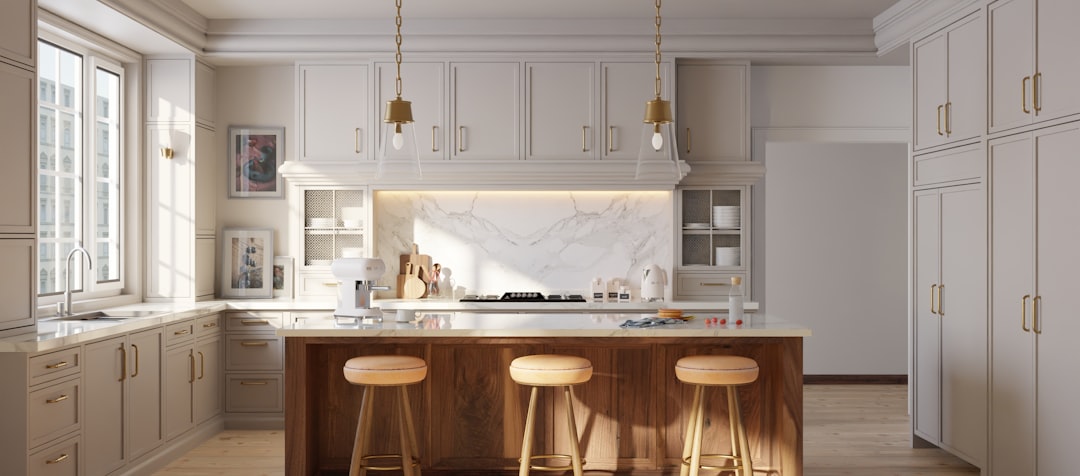
In recent years, the kitchen appliance market has undergone a significant transformation, driven by technological advancements, changing consumer preferences, and a growing emphasis on sustainability. As of 2022, the global kitchen appliance market was valued at approximately $248 billion, with projections indicating a compound annual growth rate (CAGR) of 6.5% through 2028. This growth reflects not only the increasing demand for innovative products but also the evolving landscape of consumer purchasing behavior.
One of the most notable trends in kitchen appliances is the shift towards smart technology. Smart appliances, which can be controlled via smartphones or voice-activated devices, have gained immense popularity. According to a survey conducted by Statista, around 30% of households in the United States owned at least one smart kitchen appliance in 2021, a figure that is expected to rise as more consumers seek convenience and efficiency in their cooking routines. Key Insight: The integration of smart technology in kitchen appliances is not just a trend; it represents a fundamental shift in how consumers interact with their cooking environments, prioritizing ease of use and connectivity.
Budget-friendly options have also emerged as a significant focus for many consumers. With the rising cost of living, individuals are increasingly looking for appliances that offer value without compromising quality. Brands are responding by introducing more affordable models that incorporate essential features without the hefty price tag. For instance, the average price of a mid-range blender has dropped by 15% over the past two years, making it more accessible for the average consumer. This shift indicates a growing market for budget-conscious consumers who still desire modern functionality in their kitchens.
Eco-friendly appliances are another area gaining traction. As awareness of environmental issues increases, consumers are becoming more conscious of their energy consumption and its impact on the planet. Energy-efficient appliances, which use less electricity and water, are becoming a staple in many households. The Energy Star program reports that energy-efficient appliances can save consumers up to $750 over their lifetime, making them not only an environmentally responsible choice but also a financially savvy one. This trend is supported by a 2022 survey indicating that 45% of consumers consider energy efficiency a top priority when purchasing new kitchen appliances.
DIY kitchen appliance upgrades are also on the rise, as homeowners seek to personalize their spaces without the expense of complete renovations. Simple upgrades, such as replacing old knobs and handles or adding smart plugs to existing appliances, can significantly enhance functionality and aesthetics. This trend reflects a broader movement towards customization and individuality in home design, allowing consumers to express their personal style while maximizing the utility of their kitchen spaces.
In terms of design, minimalism continues to dominate the kitchen appliance landscape. Sleek, streamlined designs that blend seamlessly with modern kitchen aesthetics are highly sought after. Consumers are increasingly favoring appliances that not only perform well but also contribute to a cohesive and stylish kitchen environment. This design philosophy aligns with the growing trend of open-concept living spaces, where the kitchen is often a focal point of the home.
As we look to the future, the kitchen appliance market is poised for continued evolution. The integration of artificial intelligence, enhanced connectivity, and sustainable practices will shape the next generation of kitchen appliances. Brands that prioritize innovation while remaining attuned to consumer needs will likely thrive in this competitive landscape.
In conclusion, the kitchen appliance market is experiencing a dynamic shift characterized by smart technology, budget-friendly options, eco-conscious choices, DIY upgrades, and minimalist design. As consumers become more discerning and informed, the demand for appliances that align with their values and lifestyles will only grow. The future of kitchen appliances is not just about functionality; it is about creating a harmonious balance between technology, design, and sustainability.