
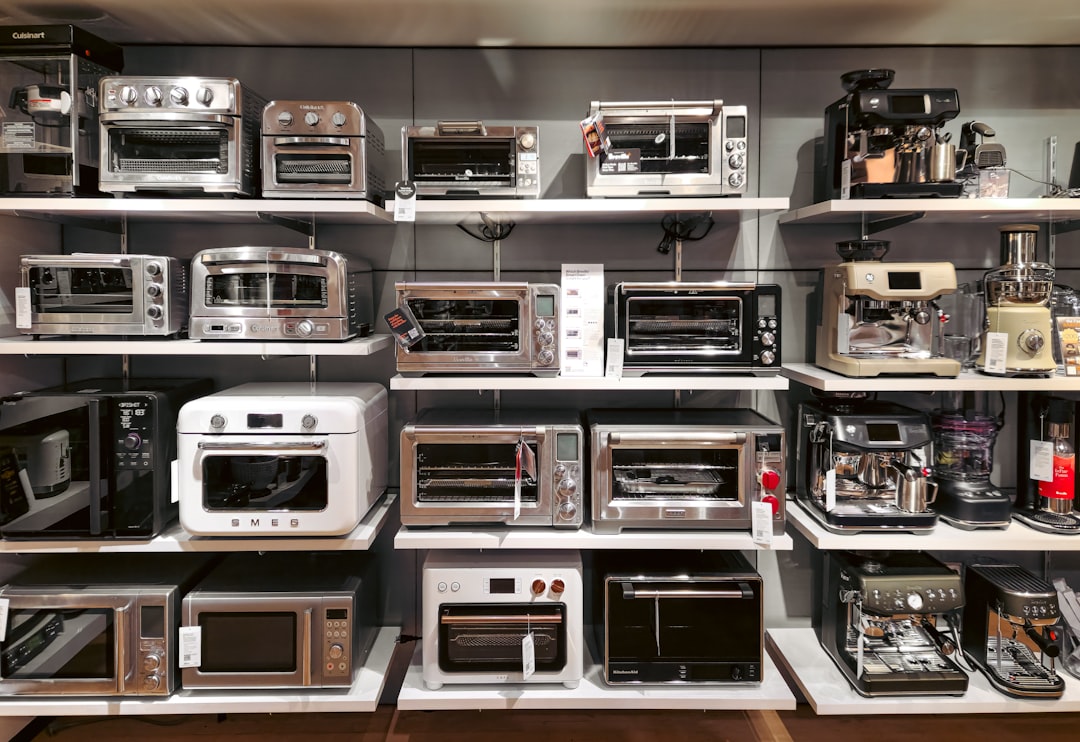
In recent years, the kitchen appliance market has undergone a significant transformation, driven by technological advancements, changing consumer preferences, and a growing emphasis on sustainability. As of 2022, the global kitchen appliance market was valued at approximately $250 billion, with projections indicating a compound annual growth rate (CAGR) of 5.4% through 2028. This growth is not merely a reflection of increased sales; it represents a shift in how consumers view their kitchen spaces and the appliances that inhabit them.
One of the most notable trends in kitchen appliances is the rise of smart technology. Smart appliances, which can be controlled via smartphones or voice-activated devices, are becoming increasingly popular. According to a report by Statista, the smart kitchen appliance market is expected to reach $40 billion by 2025. Consumers are drawn to the convenience and efficiency that these appliances offer, allowing for remote monitoring and control of cooking processes. For instance, smart ovens can be preheated from a smartphone, and refrigerators can alert users when groceries are running low.
Key Insight: The increasing demand for smart kitchen appliances indicates a shift towards a more connected and efficient cooking experience, appealing particularly to tech-savvy millennials and Gen Z consumers.
However, not all consumers are ready to embrace high-tech solutions. Budget-friendly options remain a staple in the kitchen appliance market. Many households are looking for reliable, cost-effective appliances that deliver value without breaking the bank. According to a survey conducted by Consumer Reports, 65% of respondents indicated that price is the most critical factor when purchasing kitchen appliances. This has led to a surge in the popularity of brands that offer quality products at lower price points, catering to budget-conscious consumers.
In addition to affordability, eco-friendliness is becoming a significant consideration for many buyers. As awareness of environmental issues grows, consumers are increasingly seeking out energy-efficient appliances that reduce their carbon footprint. The Energy Star program, which certifies appliances that meet strict energy efficiency guidelines, has seen a rise in popularity. In 2021, Energy Star-certified appliances accounted for nearly 30% of all appliance sales in the United States, reflecting a growing commitment to sustainability among consumers.
DIY enthusiasts are also influencing the kitchen appliance landscape. The rise of home improvement shows and online tutorials has inspired many homeowners to take on kitchen renovations themselves. This trend has led to an increased interest in versatile appliances that can serve multiple functions, such as multi-cookers and air fryers. These appliances not only save space but also allow for creative cooking methods, appealing to those who enjoy experimenting in the kitchen.
Moreover, the pandemic has reshaped consumer behavior, with more people cooking at home than ever before. According to a survey by the NPD Group, 70% of consumers reported cooking more meals at home during the pandemic, leading to a surge in kitchen appliance sales. This shift has prompted manufacturers to innovate and introduce new products that cater to the evolving needs of home cooks, such as compact appliances designed for smaller kitchens.
As we look to the future, the kitchen appliance market is poised for continued growth and innovation. Brands are increasingly focusing on integrating technology with user-friendly designs, ensuring that appliances not only perform well but also enhance the overall cooking experience. Additionally, the emphasis on sustainability will likely drive further advancements in energy-efficient technologies and eco-friendly materials.
In conclusion, the kitchen appliance market is at a crossroads, influenced by technological advancements, consumer preferences for affordability and sustainability, and the DIY movement. As consumers become more discerning in their purchasing decisions, manufacturers must adapt to meet these demands. The future of kitchen appliances is bright, with opportunities for innovation and growth that will ultimately transform how we cook and interact with our culinary spaces.